
Understanding the Role of Hand Saws in Luthiery
Hand saws are typically used in luthiery for cutting wood to the correct shapes and sizes. Whether it’s cutting the neck of a guitar, shaping the body of a violin, or creating the ribs of a cello, these saws offer precision and control that machinery may not always provide. The traditional nature of hand saws also ensures that the luthier can make subtle adjustments with the utmost care, which is especially important for highly detailed work, such as carving necks, shaping top and back plates, and cutting out the sound hole in an acoustic instrument.
Types of Hand Saws Used in Luthiery
Coping Saw
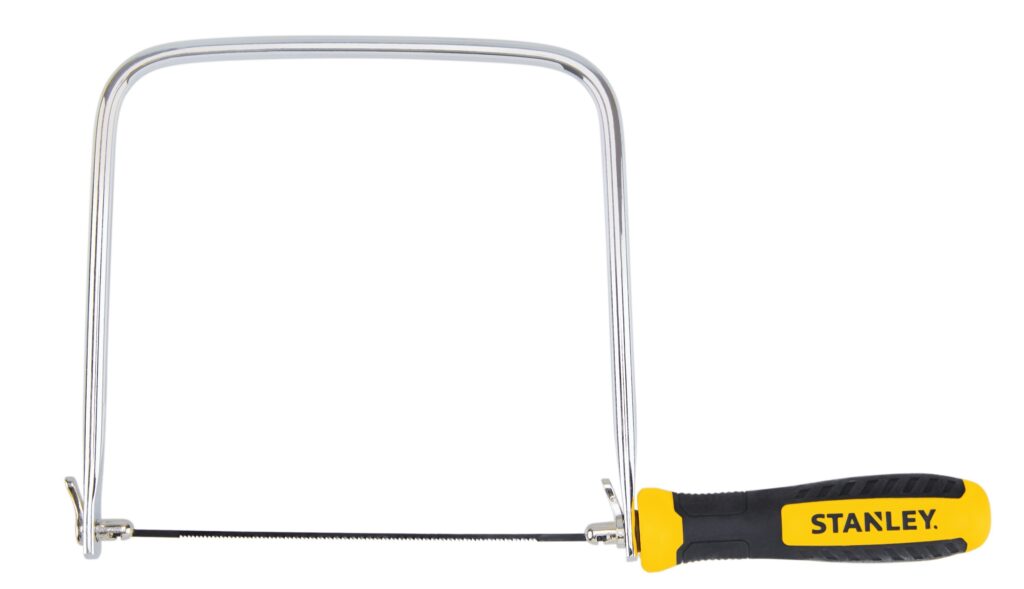
The coping saw is one of the most versatile and indispensable tools in a luthier’s workshop. It features a thin, flexible blade that is mounted on a U-shaped frame. The blade can be easily swapped out for different thicknesses and tooth configurations, making it ideal for intricate cutting and fine details.
- Uses:
- Cutting curves, especially in the shape of guitar bodies, violin backs, and mandolin sound holes.
- Trimming wood along tight, precise curves without causing splinters or damage to the surrounding wood.
- Working on delicate areas of the instrument where a finer cut is necessary.
The coping saw’s ability to make tight turns and intricate shapes makes it invaluable for small-scale, detailed cuts that require a high degree of control.
Back Saw
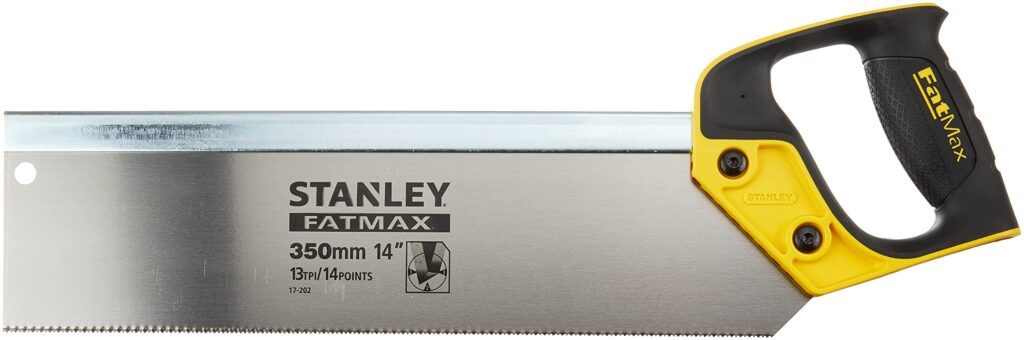
A back saw has a reinforced spine along the back of the blade, providing additional stability and preventing the blade from flexing during use. This makes it a popular choice for more precise cuts, particularly for joints that need to fit together seamlessly, such as when constructing neck joints or creating fingerboards.
- Uses:
- Cutting precise, straight lines for fingerboard installation.
- Trimming the neck joint area or body joints to exact measurements.
- Perfect for detailed work where the margin for error is small.
The back saw is often paired with a miter box to ensure accurate cuts, especially when the luthier is creating angled cuts for a neck or headstock.
Fret Saw

A specialized version of the coping saw, the fret saw features a thinner blade and is designed specifically for cutting the slots for frets in a guitar or other fretted instruments. The blade is much thinner than most other hand saws, enabling fine, detailed cuts in the fretboard without damaging the surrounding wood.
- Uses:
- Cutting fret slots in a guitar or other fretted instrument neck.
- Precision work to ensure that the frets sit securely and evenly along the fingerboard.
Due to its ability to make very fine, precise cuts, the fret saw is critical in setting up the instrument for proper intonation and playability.
Japanese Pull Saw (Dozuki)

The Japanese pull saw, or Dozuki, is a fine-toothed saw that operates by pulling the saw towards the luthier (as opposed to pushing it). This pull action allows for extremely fine cuts with less effort, making it ideal for delicate and precise work.
- Uses:
- Cutting fine details on neck joints, body carvings, and other intricate parts of the instrument.
- Often used for cutting miters or joints where an exact angle and clean edge are required.
The Dozuki’s ability to make very fine, controlled cuts, even in dense hardwoods, has made it a favorite among luthiers who appreciate precision.
Razor Saw

Razor saws are fine-toothed, narrow saws that are perfect for delicate cuts in hardwoods and softwoods alike. These saws are typically used for very thin cuts, which are essential when working on components like bridges, fingerboards, and inlays.
- Uses:
- Cutting inlays and trim pieces to precise dimensions.
- Cutting delicate joints and other fine details that demand accuracy.
The razor saw’s thin, fine teeth allow for cleaner cuts and are particularly useful when working with decorative elements like inlays and bindings.
Factors to Consider When Choosing a Hand Saw for Luthiery
When selecting a hand saw, several factors must be considered to ensure that the saw will be effective for the task at hand:
Teeth Per Inch (TPI)
The TPI determines how fine the teeth are, which impacts the smoothness of the cut. A higher TPI results in a smoother cut, making it ideal for detailed and precision work, while a lower TPI is better for rougher, faster cuts. Luthiers tend to use saws with higher TPI for more delicate tasks, such as fret cutting and carving necks, and lower TPI for bulkier cuts, like cutting out body shapes.
Blade Material
The material of the blade can affect its sharpness, durability, and the quality of the cut. Stainless steel is commonly used for its resistance to rust and durability, while high-carbon steel blades can be very sharp and maintain their edge longer. The luthier will often choose a blade material based on the type of wood being worked on and the intricacy of the task.
Saw Type and Blade Length
The type of saw selected depends on the type of cut the luthier is making. For intricate cuts and curves, a coping saw or fret saw is often used, while for more robust cutting tasks, a back saw or Japanese pull saw may be preferred. The blade length will also vary depending on the scale of the work; larger blades are used for deeper cuts, while smaller blades are better for detailed work.
Maintaining Hand Saws
Proper maintenance is essential to ensure that hand saws remain effective and last for many years. Regular cleaning, sharpening, and oiling of the blades help to maintain their cutting efficiency.
- Sharpening: Keeping the teeth of the saw sharp ensures that the cuts are clean and precise. Many luthiers will sharpen their saws by hand using a small triangular file, taking care to maintain the proper angle of the teeth.
- Cleaning: After use, it’s important to clean the saw to remove sap, dust, or other debris that can cause the blade to become clogged or dull.
- Oiling: Applying a light oil to the saw’s metal parts helps to prevent rust and keeps the saw functioning smoothly.